Choosing the correct footwear is essential for comfort, safety, and performance on challenging Himalayan paths when getting ready for trekking in Nepal. Combining durability, waterproofing, support, and comfort to handle varied terrain, from rocky paths to snowy passes, this blog highlights the best trekking boots Nepal trekkers can depend on.
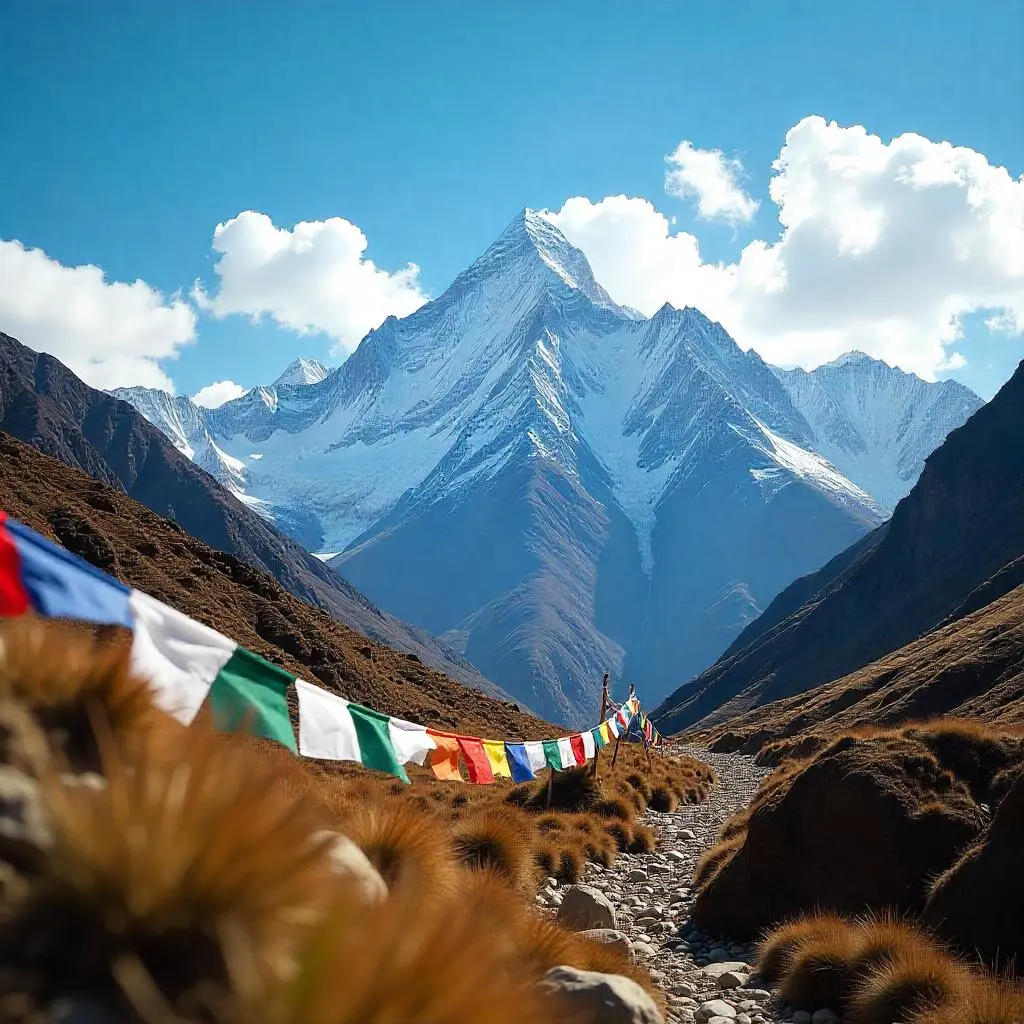
Trekking paths in Nepal, including Manaslu, Annapurna Circuit, and Everest Base Camp, combine rocky, muddy, and occasionally icy conditions. On uneven ground, the proper boots support your ankles, shield your feet from damage, and help avoid blues. Keeping feet dry depends on waterproofing; breathability helps prevent overheating on long hikes. Durability and comfort guarantee your boots will last through several-day treks.
Selecting the best trekking boots for Nepal requires knowing the key characteristics that qualify them for the demanding and varied trekking environment of the country. Here is a comprehensive view of the main elements every hiker should give thought:
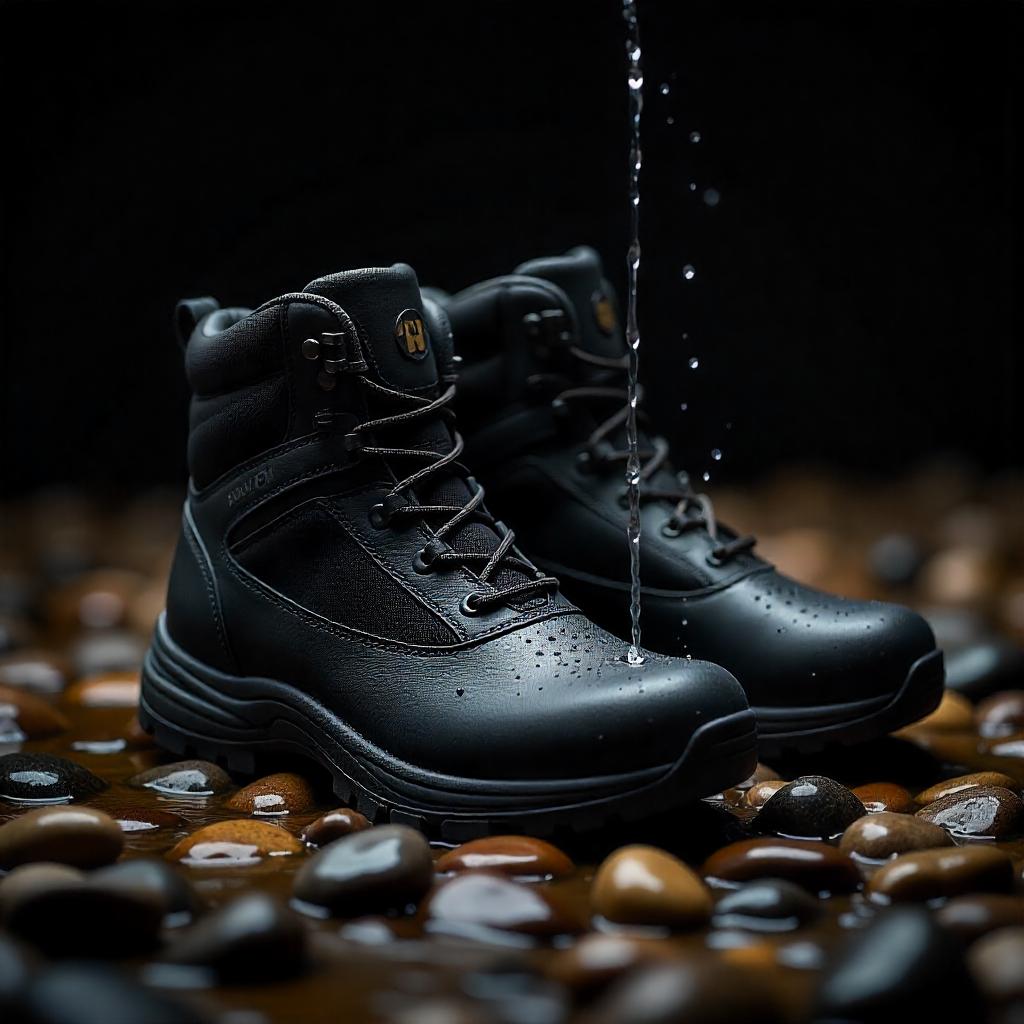
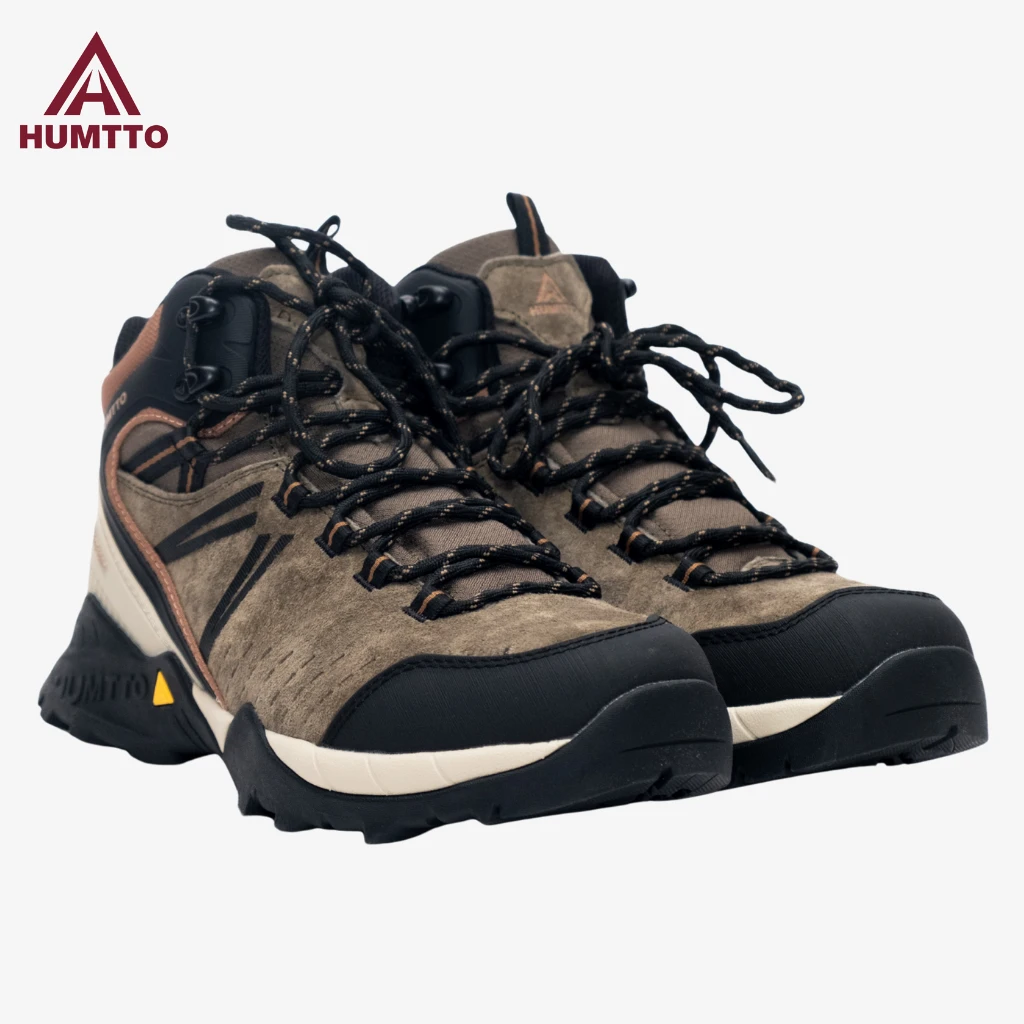
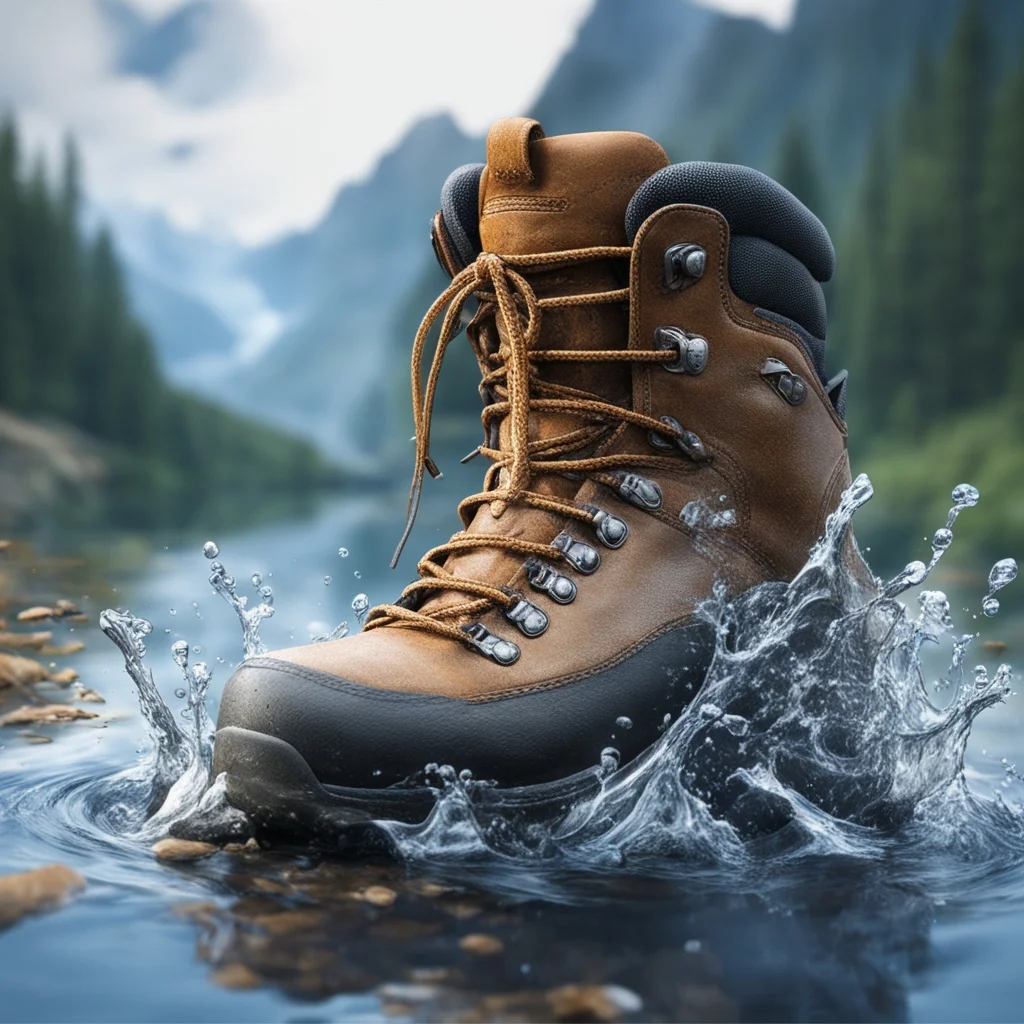
Stay Dry with a Humtto or Similar Membrane, Especially at higher altitudes; Nepal’s trekking paths sometimes feature muddy, wet paths and even snowy passes. Because they keep your feet dry without trapping sweat inside, waterproof boots featuring Gore-Tex or another breathable membrane are essential. By allowing moisture from sweat to escape and preventing water from entering, this waterproof technology reduces the risk of blisters and cold feet. Comfort depends on staying dry, and in Nepal’s varied climate, avoiding foot infections during long treks calls for this as well.
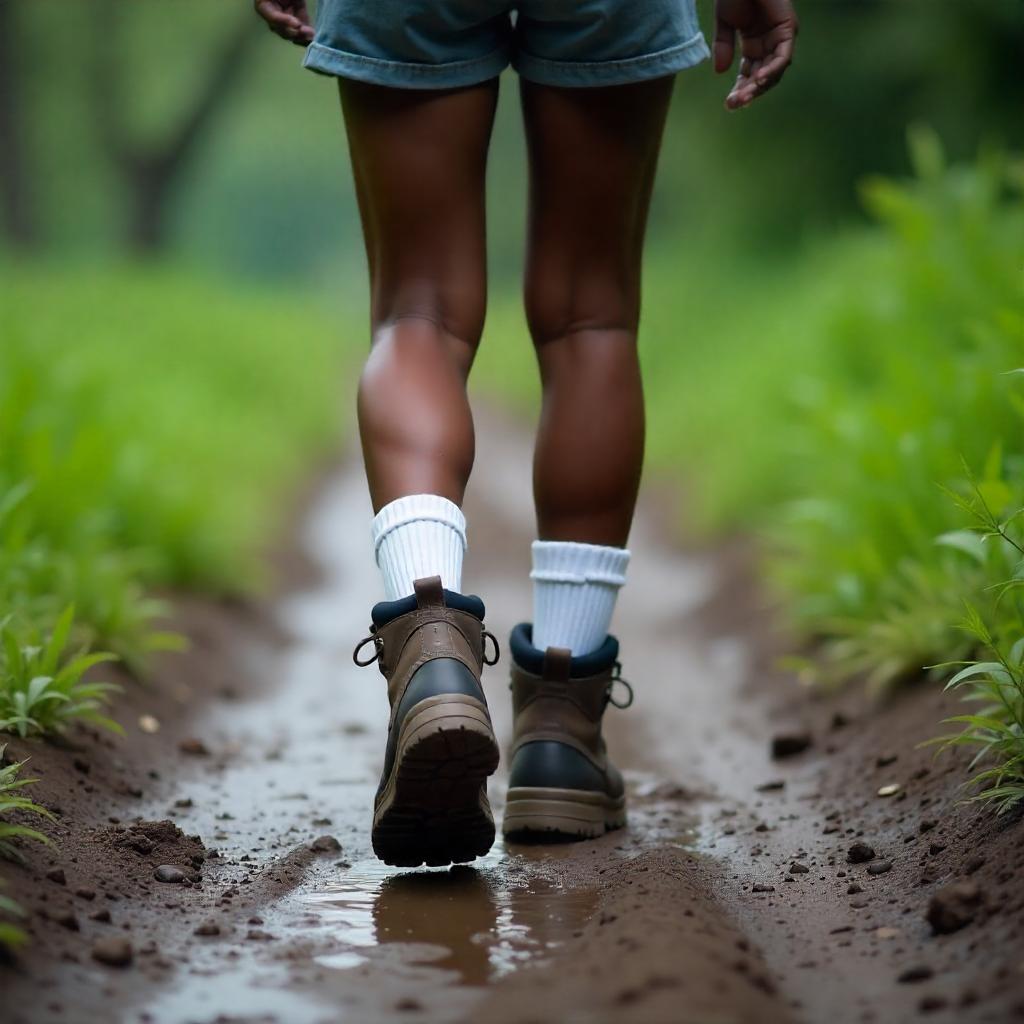
On uneven and rocky terrain, keep your ankles strong. Nepal’s rugged paths require boots with excellent ankle support. Covering the ankle-high cut boots provides stability and helps prevent sprains and injuries on uneven, rocky, or slick surfaces. When trekking on steep ascents and descents typical of Nepal’s mountainous terrain or carrying a heavy backpack, proper ankle support is especially crucial. For maximum comfort and protection, search for boots that feature padded collars around the ankle.
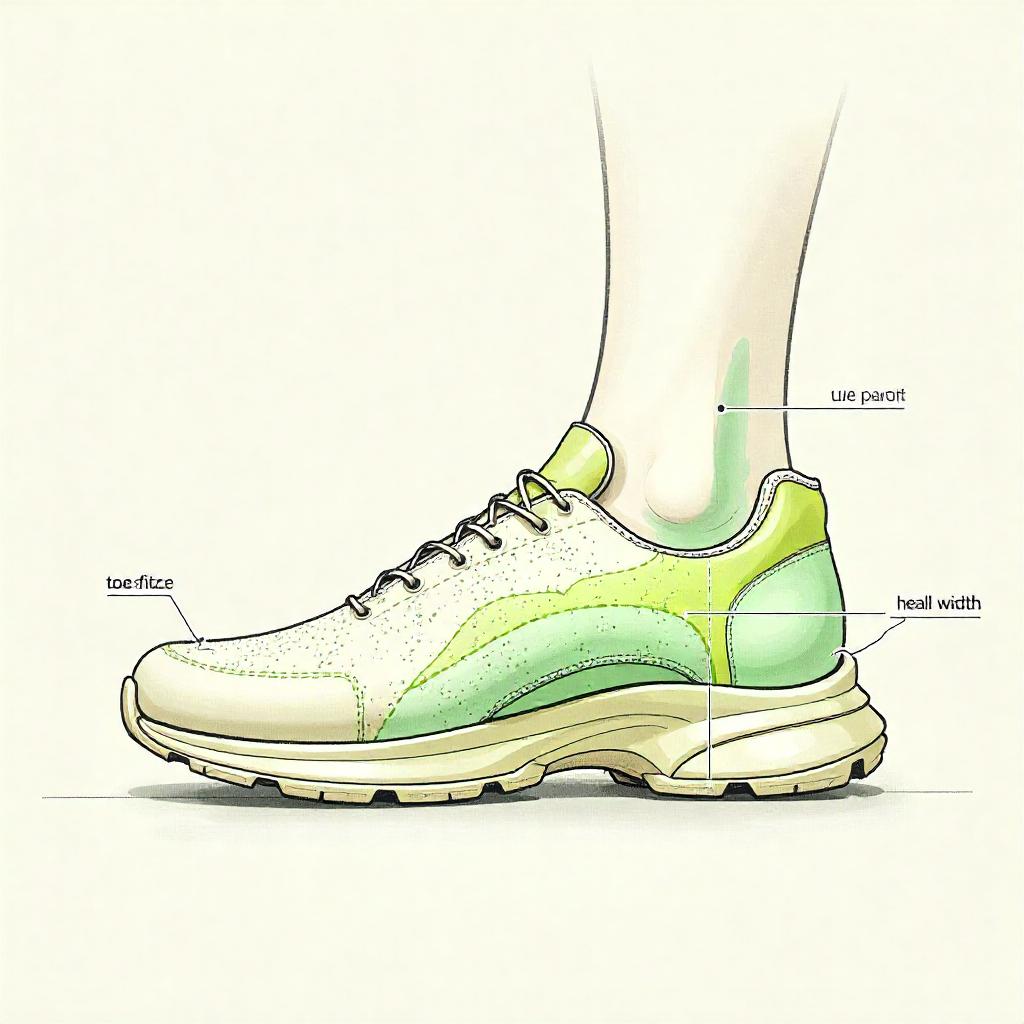
Stopping blisters and fatigue with the correct fit. Selecting trekking boots requires prioritizing comfort. Ill-fitting boots ruin your trip by causing blisters, hot spots, and foot tiredness. While allowing enough room in the toe box to wiggle your toes, the best trekking boots in Nepal should fit tightly around your heel and midfoot. To ensure exact sizing, always try boots on using the trekking socks you intend to wear. To soften the materials and shape them to your feet, breaking in your boots before the trip is crucial to lessening trail discomfort.
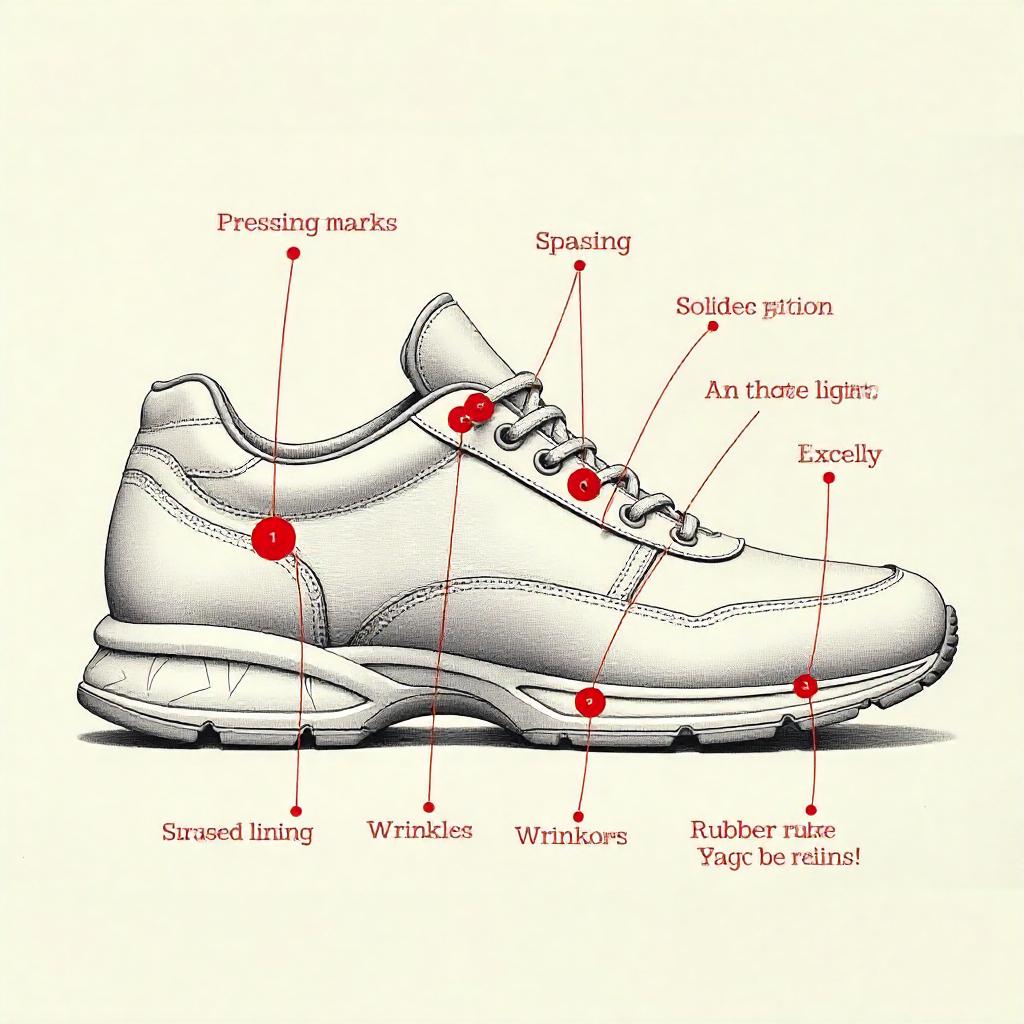
Choose synthetic or quality leather uppers for a lifetime. Trekking in Nepal means navigating difficult terrain, abrasive rocks, mud, and unpredictable temperatures. Premium leather or synthetic materials create durable boots that resist these demands. Though they can be heavier and call for a break-in period, leather boots provide excellence water resistance and durability. Though they may wear out faster, synthetic boots are usually lighter and more breathable. When choosing the material to strike a mix between comfort and durability, take the terrain and temperature of your trekking path.
Traction Vibram or Equivalent Soles for Grips on Rough and Slippery Surfaces. For Nepal’s trekking boots, good traction is non-negotiable. On moist rocks, loose gravel, mud, and snow, Vibram soles—or equivalent high-quality rubber outsoles with deep, well-spaced lugs—offer exceptional grip. On steep descends and uneven paths, these soles help keep balance and stop slipping. To improve comfort and control during downhill trekking, some soles also include braking lugs and shock-absorbing zones.
Though they must still provide support, lightweight boots help to reduce fatigue. Although heavy-duty boots offer support and longevity, too-heavy boots can cause tiredness over long trail days. The best trekking boots in Nepal balance being lightweight enough to lessen strain with being strong enough to correctly support your feet and ankles. Modern materials and design in lightweight boots can offer cushioning and protection without adding needless weight, so improving the comfort and lessening the effort of your trip.
Choosing the best trekking boots in Nepal calls for juggling comfort, protection, and longevity. On Nepal’s challenging routes, boots, including Merrell Moab 2, Meindl Vakuum, Scarpa Zodiac Plus GTX, Humtto, and Salomon Quest 4 GTX, have shown themselves. Choosing the correct boots guarantees that your feet remain safe and comfortable, enabling you to fully appreciate the stunning scenery and cultural diversity of Nepal’s trekking paths.
Break in your boots well before your trip, and think about your foot form and trekking technique. Your Nepal trekking trip will be comfortable and unforgettable from start to end with the correct boots.