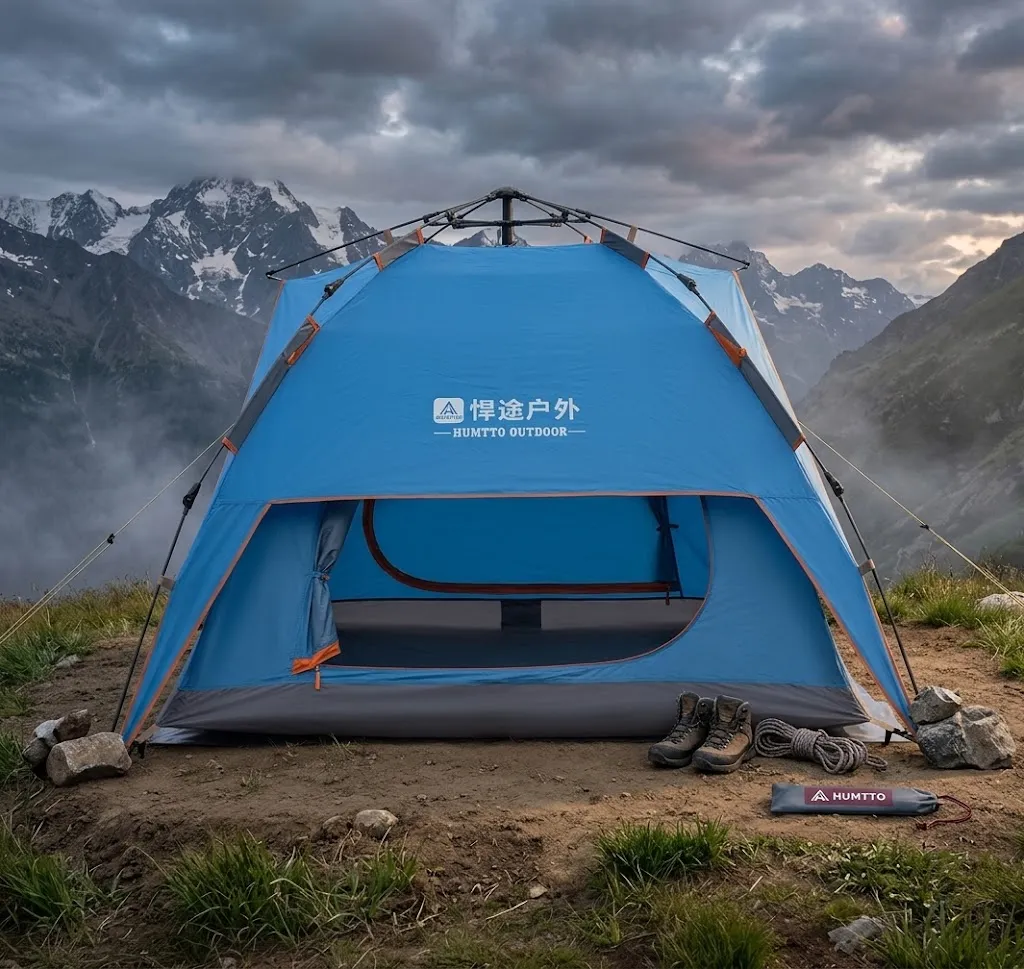
The Humtto Camping Tent is the right way to use a strong, double-layer synthetic tent specifically designed to resist heavy rain, moisture and freezing winds in tough outdoor environments. This trusty piece of kit is what we rely on to keep our sleeping bags completely dry, warm and comfy on long backcountry mountain trips. Knowing precisely how this gear works and which parts are important makes sleeping outside safe and very enjoyable. Putting the time into learning how to set it up, take care of it and how it withstands weather makes it a reliable home away from home wherever your adventures take you.
Understanding the exact use of the Humtto Camping Tent requires following simple daily steps when you reach your sleeping spot. We always check the physical ground for safety before taking the poles out of the storage bag.
Finding a flat patch of dirt stops water from resting under your floor during a night rain. We choose raised ground that sits slightly higher than the surrounding grass to make sure rainwater drains away fast. Clearing away all sharp rocks and broken sticks stops the thin nylon floor from tearing open when you sleep. We also look up to make sure no dead tree branches can fall on the fabric during high winds.
Following a correct Humtto tent setup guide starts with sliding the main fiberglass poles into the inner corner slots. We bend these flexible poles up slowly until the main sleeping room stands straight on its own. Pushing thick metal pegs deep into the dirt at a hard angle stops normal wind from moving the floor. We always check that the inner doors face away from the direct wind path before securing the corners.
The inner mesh room cannot stop falling water by itself. We snap the plastic buckles closed at each of the four corners and pull the heavy nylon outer shell over the frame. You tighten these flat straps, and the waterproof fabric becomes slick, and the heavy rain just rolls right off into the dirt. An outer layer of fabric keeps wet fabric away from the inner mesh and from transferring cold water into the sleeping space.
Getting the most out of the Use of the Humtto Camping Tent means adjusting the vents and ropes to match the changing weather. We control the inside airflow and outside rope tension to stop nature from breaking the shelter.
Many campers seal up all their windows to stay warm, but this can cause the condensation from their breath to totally soak their sleeping bags. We leave the upper vents in the roof half open, even in driving rain, because the escaping body heat actively pushes cold moisture out. This simple airflow habit keeps the interior completely dry, without the need for additional heat sources.
Fast-moving air across open mountain passes puts heavy physical stress on the fiberglass frame. We tie long nylon guy lines to the middle loops of the outer shell and pin them far away from the base. These tight side ropes keep the frame solid and stop the fabric from slapping the inner wall during a loud storm. We place large heavy rocks over the metal pegs if the dirt is too soft to hold the ropes tightly.
Freezing dirt pulls heat away from your body very fast while you rest at night. We place a thick plastic sheet called a footprint on the ground before putting the shelter down. This extra bottom barrier stops freezing mud from touching the main floor and adds high protection against sharp thorns. The extra plastic layer keeps the inside air noticeably warmer on cold mountain routes.
Safe Use of Humtto Camping Tents: Over many years, it has demanded cleaning the parts as soon as a trip finishes. We wash the wet dirt away quickly to stop the thin synthetic fabric from rotting inside the bag.
After a long trip, dry sand easily blocks the small metal teeth on the zippers of the main doors. We wash the dirty tracks with clean running water and scrub off the heavy mud with a soft brush. Cleaning the moving parts in five minutes keeps the zipper from breaking off entirely on your next trip. We don’t use harsh laundry soap on the fabric, as the heavy chemicals strip away the factory waterproof coating.
Rolling up wet nylon fabric guarantees fast mold growth within just three days. We take all wet parts out of the bag and hang them inside a warm room the moment we get home. Moving air dries the deep corners fast, which naturally stops permanent bad smells from ruining the sleeping area. Storing the completely dry shelter inside a large plastic bin keeps hungry house mice away from the synthetic ropes.
Small holes appear on the outer roof over time from flying branch strikes or normal daily wear. We stick a round piece of sticky synthetic patch tape on both sides of the tear to seal the hole permanently. Applying a thin clear liquid seam sealer over the inner stitches stops heavy rain from dripping through the needle holes.
To summarize, the general proper use of the Humtto Camping Tent offers a very reliable physical barrier from unpredictable and harsh mountain conditions. We have full confidence in this double-layer system to keep out driving rain, withstand heavy wind gusts, and keep campers completely secure and dry all nite long. Careful selection of the right ground location, proper tensioning of the rain shell, proper air flow and time for post-trip care will maximize the life of your shelter. Completing these important steps ensures your shelter will be a sturdy, comfortable haven for any future outdoor excursions.