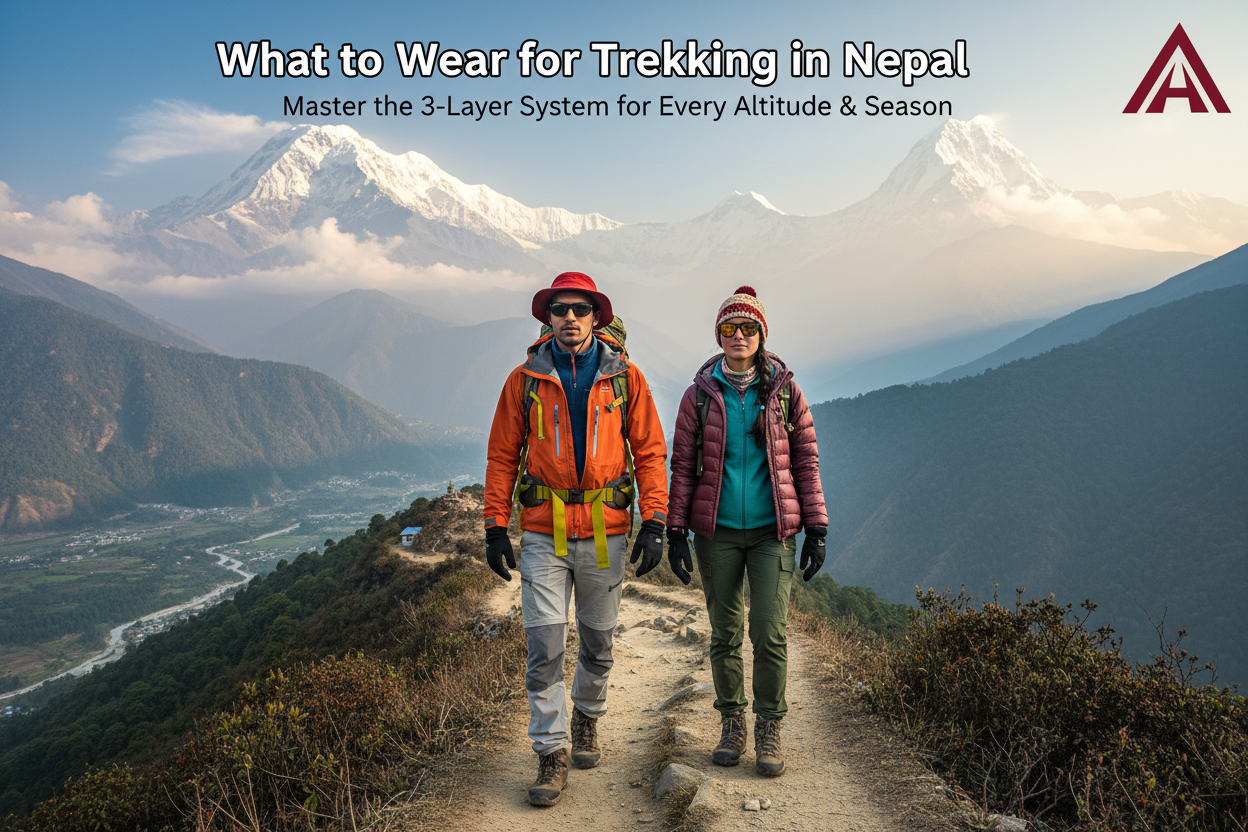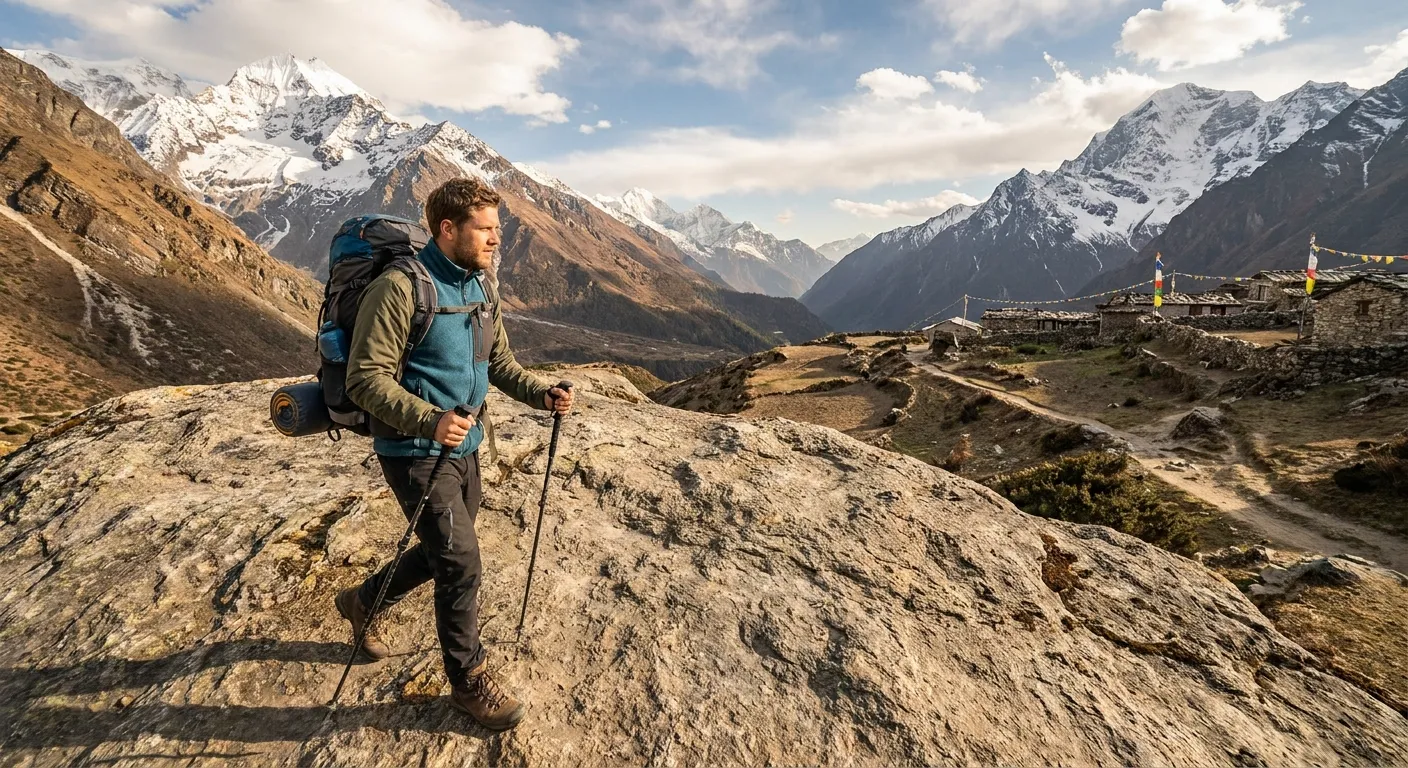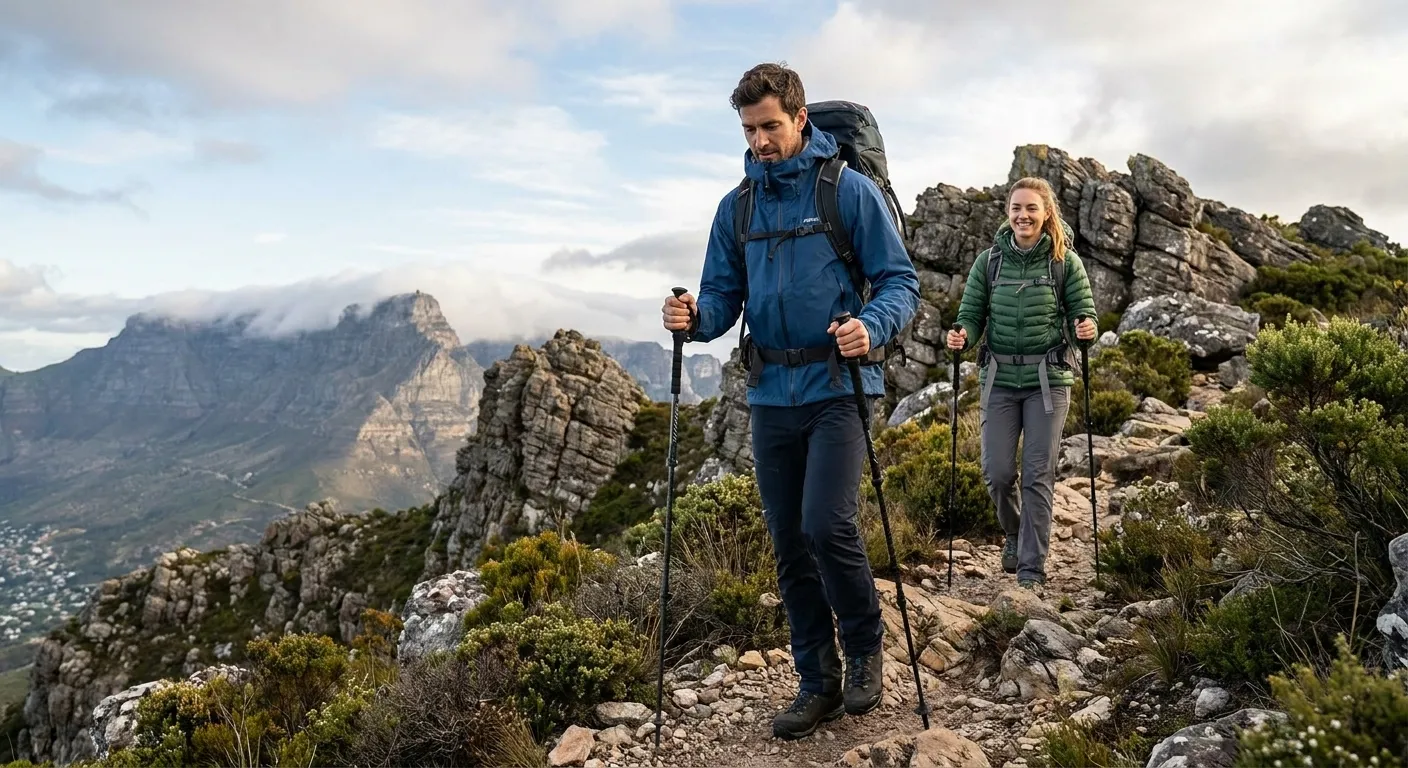
A layering system for high-altitude trekking means wearing several specific clothing items on top of each other to control body heat and sweat. We use this exact clothing method to keep hikers safe and dry as temperatures drop sharply on mountain trails. Packing the correct technical clothes lets a person easily add or remove warmth while walking.
Trekkers need a smart clothing plan to handle the freezing weather above 4,000 meters. The layering system for high-altitude trekking depends on three basic parts working together to block cold wind and wet snow. Finding reliable gear from trusted local outdoor brands like Humtto Nepal helps walkers get the right clothes for harsh Himalayan paths.
The base layer focuses entirely on moving wet sweat away from human skin. When a person climbs a steep hill with a heavy bag, they sweat a lot. If that wet sweat stays on the skin when the person stops walking, their body temperature will drop very fast in the cold mountain air.
The mid layer works as the main heat trap by holding warm air close to the upper body. We usually see hikers wear a simple fleece jacket or a light down coat to build this needed warmth. This middle piece must let air pass through easily so the sweat from the base layer can escape into the outside air.
The outer shell works as a safe cover to protect the inside clothes from sudden rain and snow. Good shell jackets use special waterproof materials to stop cold water from soaking through to the skin. A proper outer jacket needs an adjustable hood and armpit zippers to let out extra heat when the trail gets too warm.
Picking the right clothing material is the most important step before starting a long mountain walk. A layering system for high-altitude trekking only works well if the fabrics handle cold air and sweat correctly. Using proper outdoor clothing ensures the body stays safe when the Nepal mountain weather changes without warning.
Merino wool works very well for the first layer because it controls heat and stops bad smells during long trips. Man-made materials like polyester dry out much faster than wool and cost less at local trekking shops. Both of these fabric types hold up well under heavy backpacks day after day.
Cotton is an extremely unsafe material to wear high in the mountains because it holds water just like a sponge. When a cotton shirt gets wet from sweat, it completely stops keeping the body warm. Walking in wet cotton at high elevations causes severe cold sickness in just a few hours.
Natural bird down offers the most warmth for its weight in freezing weather. Down jackets pack down into very small sizes, which makes them easy to carry inside a bag all day. The only problem is that standard down completely stops keeping you warm if it gets wet from heavy rain.
Walkers must adjust their clothing based on the exact month they visit the Himalayas. A standard trekking gear list for Nepal looks very different in the warm summer compared to the freezing winter. The layering system for high-altitude trekking must adapt perfectly to match the exact weather conditions on the trail.
Summer walking in Nepal brings heavy monsoon rain and warm air in the lower valleys. Hikers in these warmer months need very light shirts that dry quickly after a heavy rain shower ends. The waterproof outer jacket becomes the most important item to stop the daily rain from soaking the inner clothes.
Winter trips require the thickest clothing because night temperatures drop far below freezing. Hikers must pack heavier fleece jackets and very thick down coats to stay safe inside the cold tea houses. Wearing thick long underwear under hiking pants is also completely required during these freezing months.
We notice that putting on a warm jacket five minutes before a rest break works much better than waiting until you actually feel cold. Waiting until the body shivers means you have already lost your core heat, which takes twice as much food energy to build back up. This simple timing trick saves massive amounts of physical energy over a two-week trip.
Night temperatures usually drop to minus 15 degrees Celsius in peak seasons like November. Trekkers need heavy layers to handle this extreme cold safely.
A reliable local brand jacket typically costs between 10,000 and 15,000 NPR in Thamel shops.
Renting a heavy down jacket makes sense for a one-time trip since it saves money and luggage space. Rental shops usually charge around 200 NPR per day for a thick jacket.
The best protection against the cold of the mountains is still a good layering system for high-altitude trekking. Walkers can enjoy their trip without feeling freezing cold or too hot if they pick the right fabrics and know when to put on or take off clothing. We always recommend that hikers try on their clothes before they go, so they know everything fits together properly.