Finding the right footwear for a trek can be difficult when you have so many options. Many hikers ask about the mid-cut and low-cut shoe difference before heading into the mountains. The basic answer is very straightforward. Mid-cut shoes wrap above your ankle for extra stability and physical protection. Low-cut shoes stop below your ankle to give you less weight and more freedom of movement. Your final choice will always depend on the weight of your backpack and the exact type of terrain you plan to walk.
Understanding the mid-cut and low-cut shoe difference is the first step to a comfortable hiking experience.
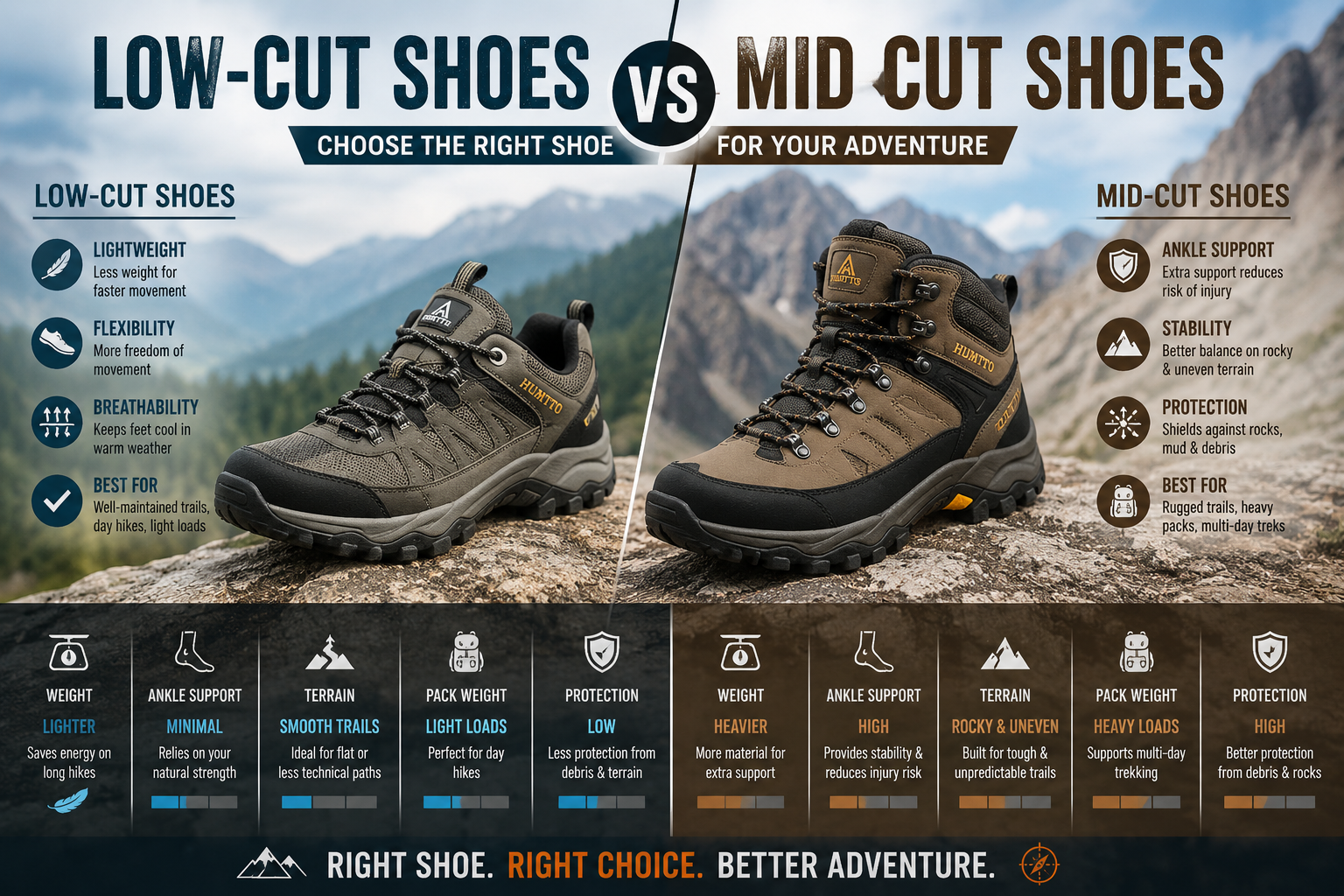
Low cut hiking shoes look very similar to regular athletic sneakers. The main difference is that they feature deep grips and durable materials on the bottom. They are built specifically for fast hikers who want to move quickly on well maintained trails. These shoes offer a massive range of motion for your joints. This specific design makes them perfect for easy day hikes or short trips where you carry a very light bag.
Here are the main benefits of choosing a low cut profile:
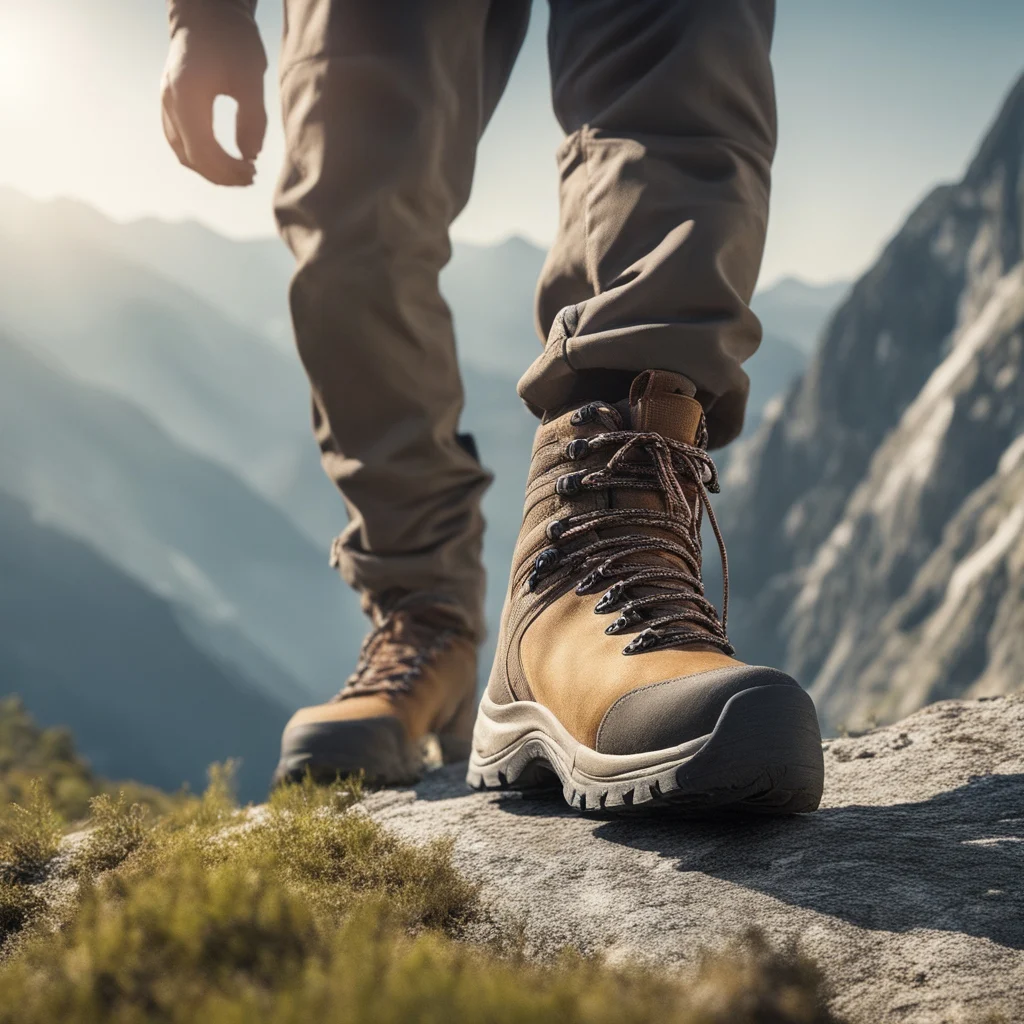
Mid cut hiking boots come up slightly higher and securely wrap around your ankle bone. This extra material gives your foot a locked in feeling. You absolutely need these shoes if you are walking on uneven rocky mountain trails with a heavy backpack. The higher collar helps prevent your ankle from rolling if you accidentally step on a loose rock or slippery mud.
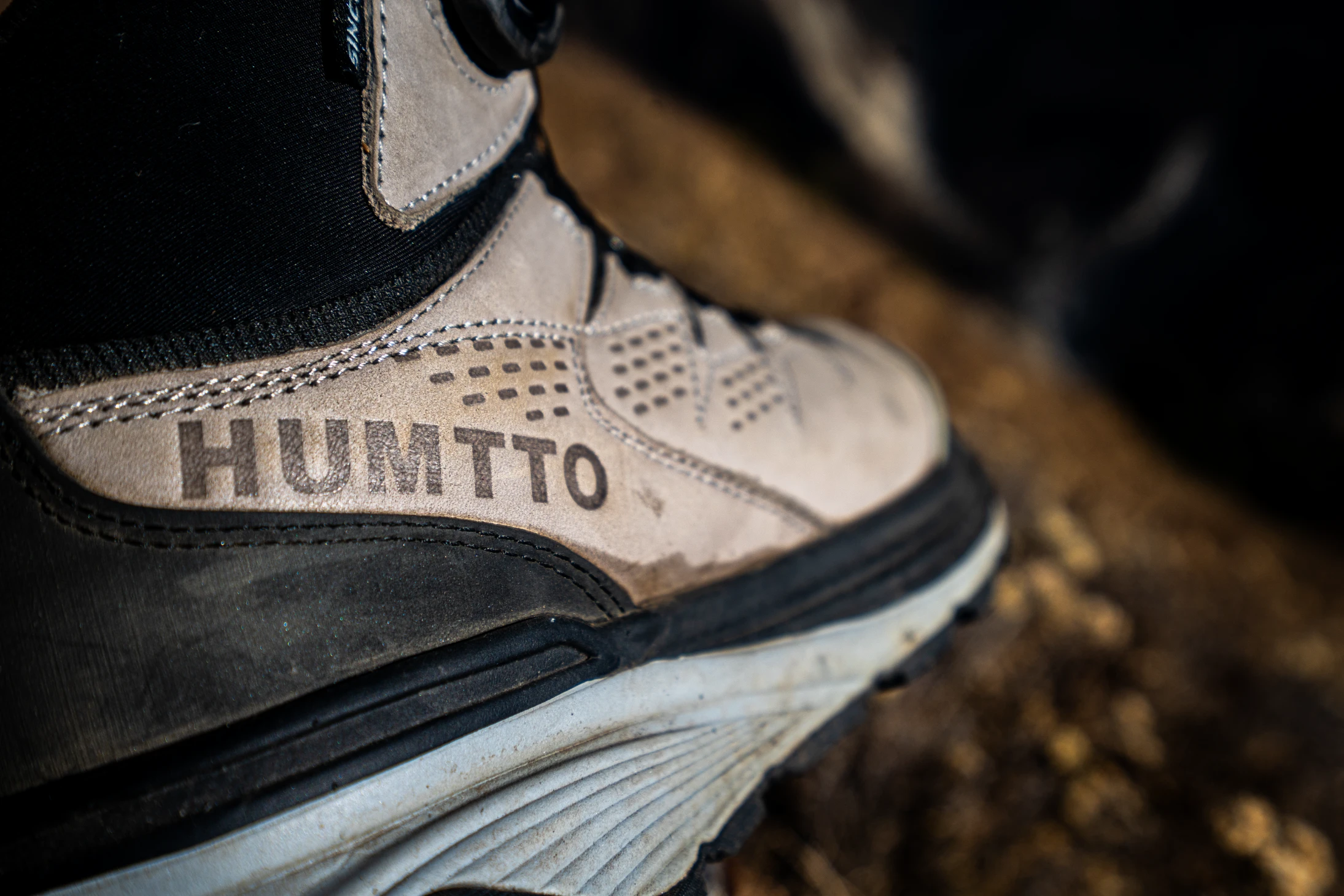
Finding reliable brands is also important when shopping for gear. Companies like Humtto sell excellent mid-cut shoes designed for harsh environments. Humtto trekking shoes use advanced rubber soles to grip wet surfaces perfectly. You can easily find high quality Humtto gear in local markets usually priced around NPR 7000 to NPR 14000 depending on the exact model. These shoes offer incredible value for hikers taking on serious mountain routes.
Knowing the exact mid-cut and low-cut shoe difference helps you pick the correct gear for your next big outdoor adventure. Both styles perform specific jobs on the trail. You need to match the shoe to your specific hiking style.
The biggest mid-cut and low-cut shoe difference is how the shoe handles your ankle joints. Mid cut shoes brace your ankle firmly. This physical support is incredibly helpful when you carry a backpack that weighs more than ten kilograms. The tall shoe takes some of the strain off your leg muscles. Low cut shoes rely entirely on your own physical ankle strength to keep your body stable.
Weight plays a massive role in the mid-cut and low-cut shoe difference. Every single extra gram on your feet feels much heavier by the end of a long day of constant walking. Low cut shoes keep your feet feeling light so you can remain agile. Mid cut shoes add extra thick rubber and fabric layers. This added physical weight slows down your walking pace but rewards you with much better balance on tricky paths.
Another major mid-cut and low-cut shoe difference is the level of trail protection. Mid cut shoes stop mud water and small rocks from getting inside your warm socks. The higher ankle collar acts as a physical shield against trail debris. Low cut shoes leave your ankles completely exposed to scratches from wild bushes. They also let tiny stones easily slip inside the shoe which can cause painful blisters.
| Feature | Low Cut Shoes | Mid Cut Shoes |
| Ankle Support | Very minimal | High and secure |
| Shoe Weight | Very light | Noticeably heavier |
| Best Terrain | Smooth flat paths | Rocky uneven trails |
| Backpack Weight | Light day packs | Heavy multi day packs |
| Debris Protection | Low | High |
You must look at your own trekking plans before buying new gear. The mid-cut and low-cut shoe difference becomes very clear once you step onto a rough trail. If you are planning to walk the Everest base camp route with a heavy bag you should pick a mid cut shoe. The extra ankle support will save your legs from extreme fatigue. If you are taking a fast walk around the hills with just a water bottle a low cut shoe is your best option.
Brands like Humtto sell both variations to match different hiking needs. Try on both styles with the thick socks you plan to wear on the mountain. Walk around the store to feel the mid-cut and low-cut shoe difference for yourself. Your feet will swell slightly during a long hike so always buy shoes that give your toes a little bit of extra room to move. Picking the right shoe keeps your feet safe and makes your entire mountain journey much more enjoyable.