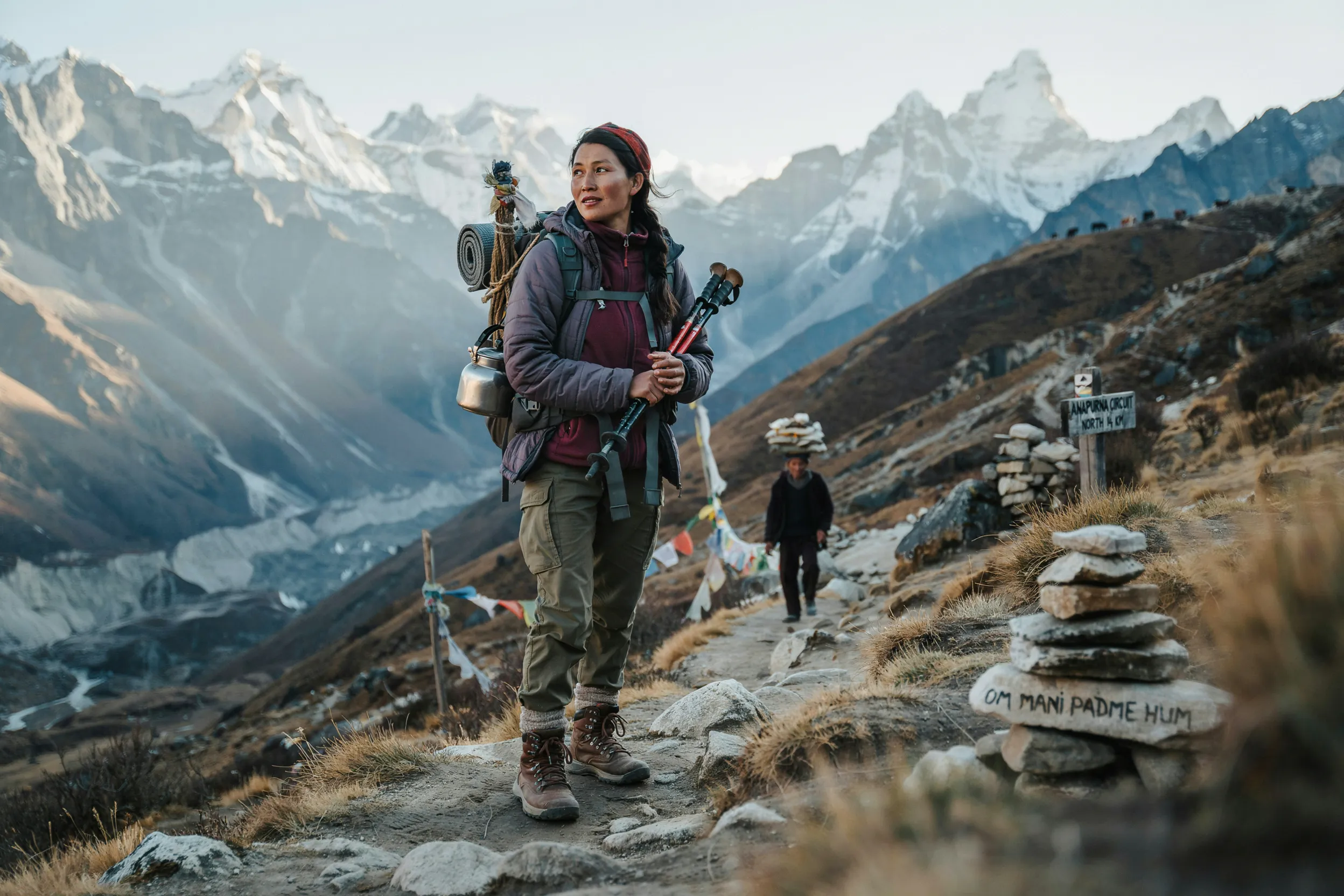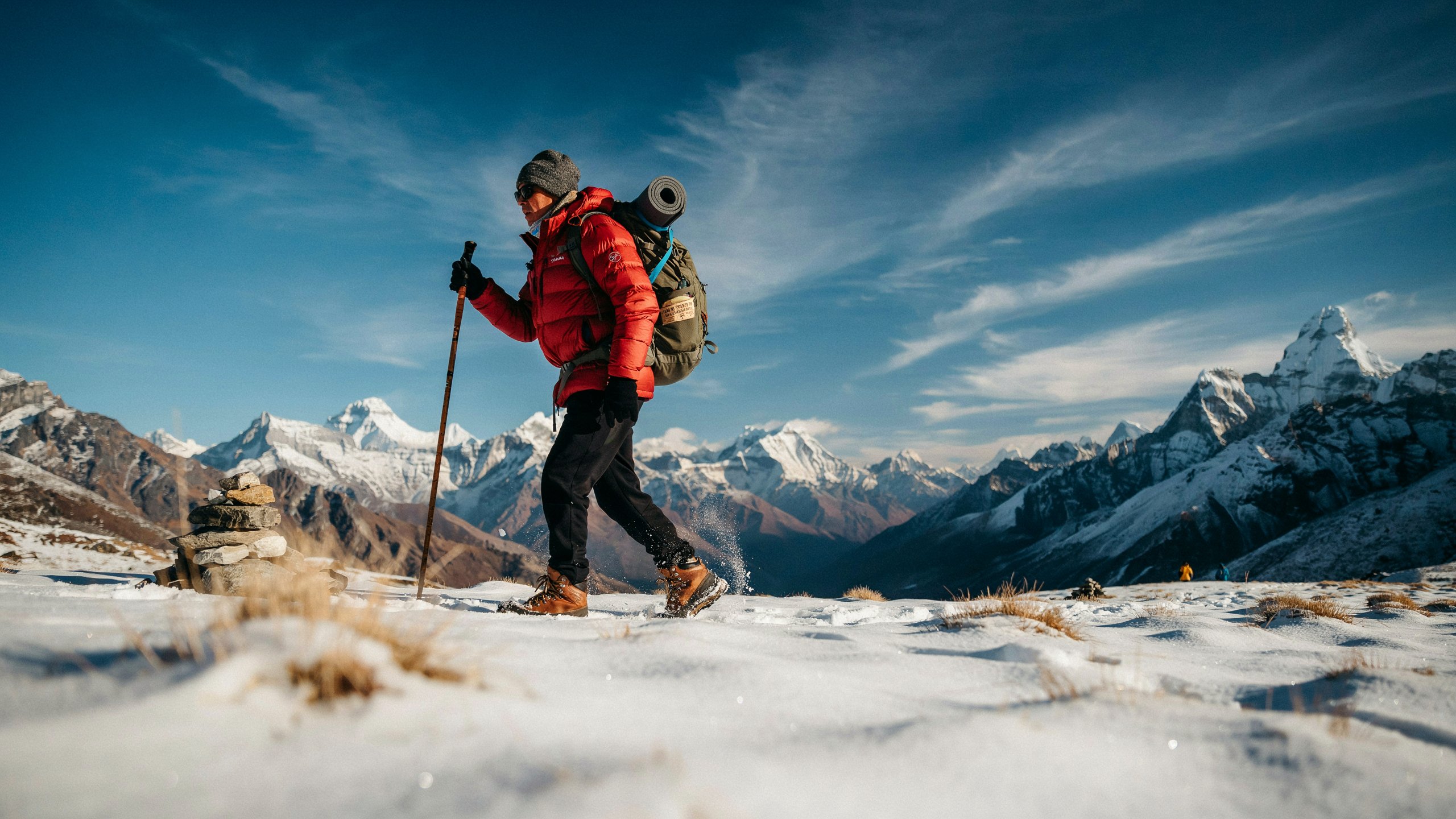
Winter trekking in Nepal is a side of the Himalayas that is rarely seen by travellers. The silent paths, the snow-white mountainous scenery, and the quiet villages make hiking in the period between December and January a very rewarding experience. Nevertheless, winter trekking in Nepal is also a premeditated activity because of the low temperatures, reduced daylight periods, and more severe conditions. This guide offers tips that are based on experience and practical to enable trekkers to prepare well, select the appropriate clothing to use, and have a safe trip to the Himalayas during the colder months.
Nepal trekking in December or January has conditions that are quite different compared to the peak seasons of trekking. At the higher altitudes, the temperatures are considerably lower, even below the freezing point, in the mornings and evenings. Trails may be covered by snow and ice and become harder to walk on. The daylight time is shorter, and that is why itineraries are slower and have to start earlier. Other tea houses might have few services, especially on routes that are not highly favored. These do not mean the shortcomings, but these factors need to be carefully planned, and the appropriate winter trekking gear is needed to cope with cold weather trekking.
The winter trekking in Nepal is based on layering. Begin with a base layer that is moisture-wicking to keep the sweat off the skin. Add a middle layer of insulation like fleece to trap warmth. Complete with an outer layer that is waterproof and windproof to keep the snow and the strong winds of the mountain. Cotton should not be used at all, because it keeps the moisture and enhances the loss of heat.
In cold weather trekking, hands, feet, and head are the body parts that lose heat the quickest. Warm thermal cap, insulated gloves or mittens, merino wool socks and waterproof trekking boots are necessities. Cold injuries like numbness or frostbite usually start in extremities hence it is important to keep them dry and warm.
A sleeping bag of at least -10C comfort rating is highly encouraged in 4 seasons. Use it together with a insulated sleeping mat to avoid loss of heat through the ground. Night-time temperatures are much lower than daytime temperatures and many trekkers are underestimating this.
Shorter days imply that one needs to get up early. You should plan your daily hikes in a conservative manner and should not walk after sunset. Freezing and dehydration can be avoided by using insulated water bottles, which will keep you hydrated even when you might not be thirsty when the weather is cold.
Best January trek Nepal routes are the safest one and have a licensed guide who is aware of winter conditions. Trails like Everest Base Camp or Ghorepani Poon hill are more dependable since they are maintained frequently and lodges are available even during winter.
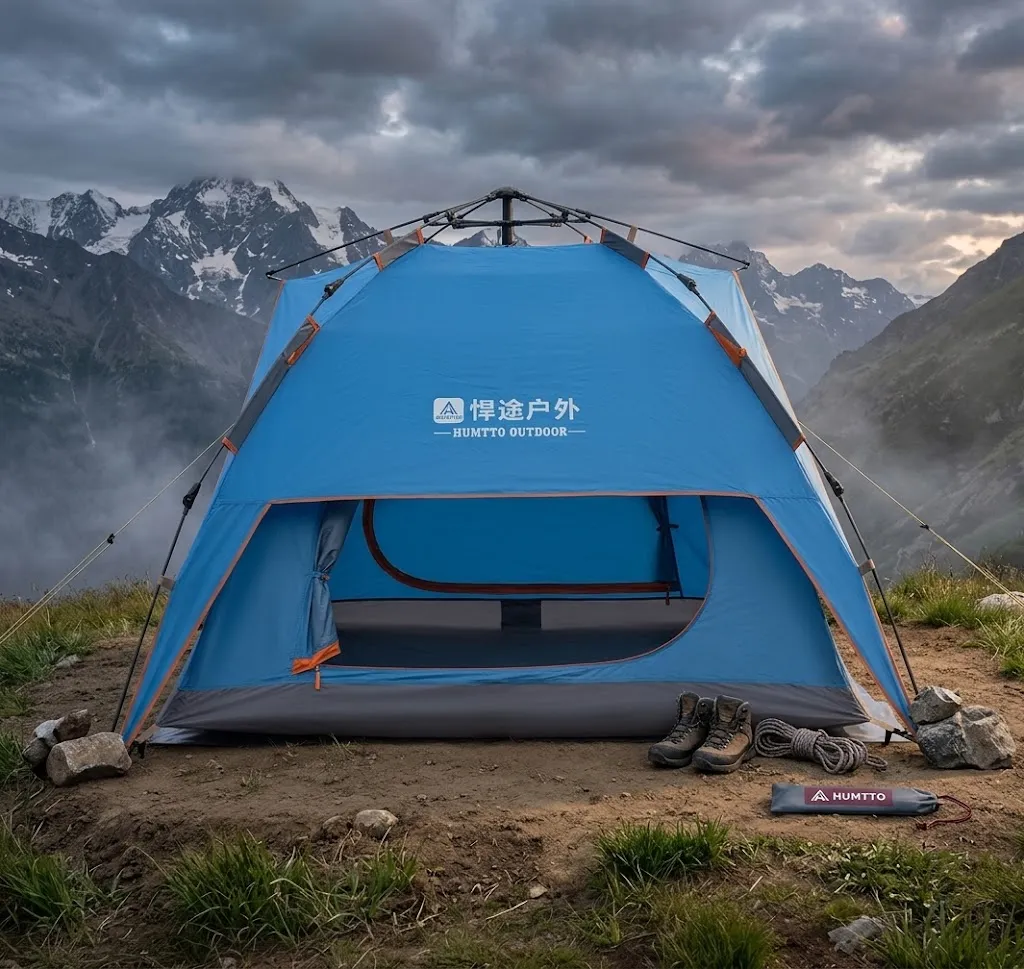
Wearing the right clothes is significant in the safety and comfort of winter trekking in Nepal. To the trekkers who purchase trekking gear in Nepal, Humtto Nepal sells winter-related clothing and accessories that suit the outdoor conditions. Their assortment can facilitate the necessary layering requirements, such as base layers, insulating fleeces, and weatherproof outer jackets, which can be used in the Himalayan conditions.
To protect the extremities, Humtto offers trekking gloves, socks, and cold-weather accessories that are balanced in terms of the warmth and mobility. Their insulated jackets and hard outer shells come in handy especially in changing weather in the mountains. The trekkers who are interested in renting trekking equipment in Kathmandu or buying quality winter trekking attires can visit Humtto Nepal and find options that are practical and available locally without complicating their packing list.
Preparation and not endurance alone can make successful winter trekking in Nepal. Warm up, carry high energy foods, check weather patterns and notify someone about your intentions to go hiking. Cold weather trekking is a reward to those who are conscious of the environment and think before they act. The winter trekking in Nepal will provide one of the most serene and eye-catching Himalayan experiences that one could have with the appropriate mindset, route choice and clothing.